Big Tobacco is fighting back. In an effort to combat the dramatic increase in taxes, health concerns, smoking bans and stigma in general, companies are venturing into smokeless tobacco and other nicotine products.
Last month, British American Tobacco PLC, makers of Dunhill and Lucky Strike brands, created a subsidiary called Nicoventures focused on nicotine alternatives.
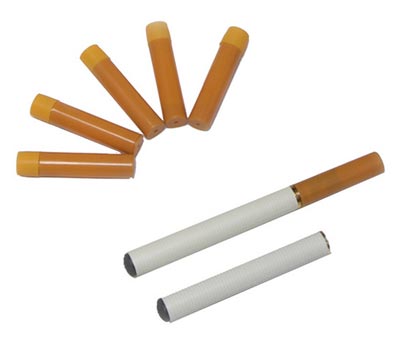
Electronic Cigarette and Set of Filters
While Nicoventures refused to reveal how exactly the tobacco-free nicotine products would work, the company’s chief executive Adrian Marshall did say in a statement that the first set of products by Nicoventure are being developed externally and would be different to cigarette substitutes that currently exist in the market, such as electronic cigarettes, nicotine patches and gums.
In 2009, the nation’s second-largest tobacco company Reynolds American Inc. purchased Swedish company Niconovum whose nicotine gum, pouches and spray help people stop smoking. Niconovum was formed in 2000 by Karl Olov Fagerström, one of the world’s leading experts on smoking cessation and nicotine dependence. Through the exploitation of the exclusive know-how of its founder and management Niconovum’s mission is to develop market leading Nicotine Replacement Therapies (NRT).

Woman Sticking Nicotine Patch
Now this week, Philip Morris International Inc. has purchased the rights to a technology that lets users inhale nicotine without smoking.
The world’s largest nongovernmental cigarette seller has bought the patent for an aerosol nicotine-delivery system developed by Jed Rose, director of the Center for Nicotine and Smoking Cessation Research at Duke University in Durham in North Carolina.

Man Holding Free Nicotine Gum
Spokesman Peter Nixon said it may take three to five years to develop a commercial product that would be considered an alternative to conventional cigarettes, while the U.S. Food and Drug Administration is developing guidelines for companies interested in developing what the agency calls modified-risk tobacco products.
The Family Smoking Prevention and Tobacco Control Act was signed into law on June 22, 2009 by President Barack Obama. This creates a tobacco control center within the FDA and gives the FDA authority to regulate the content, marketing and sale of tobacco products.
It also requires tobacco companies and importers to reveal all product ingredients and seek FDA approval for any new tobacco products.

